What to look for in a budget gaming headset
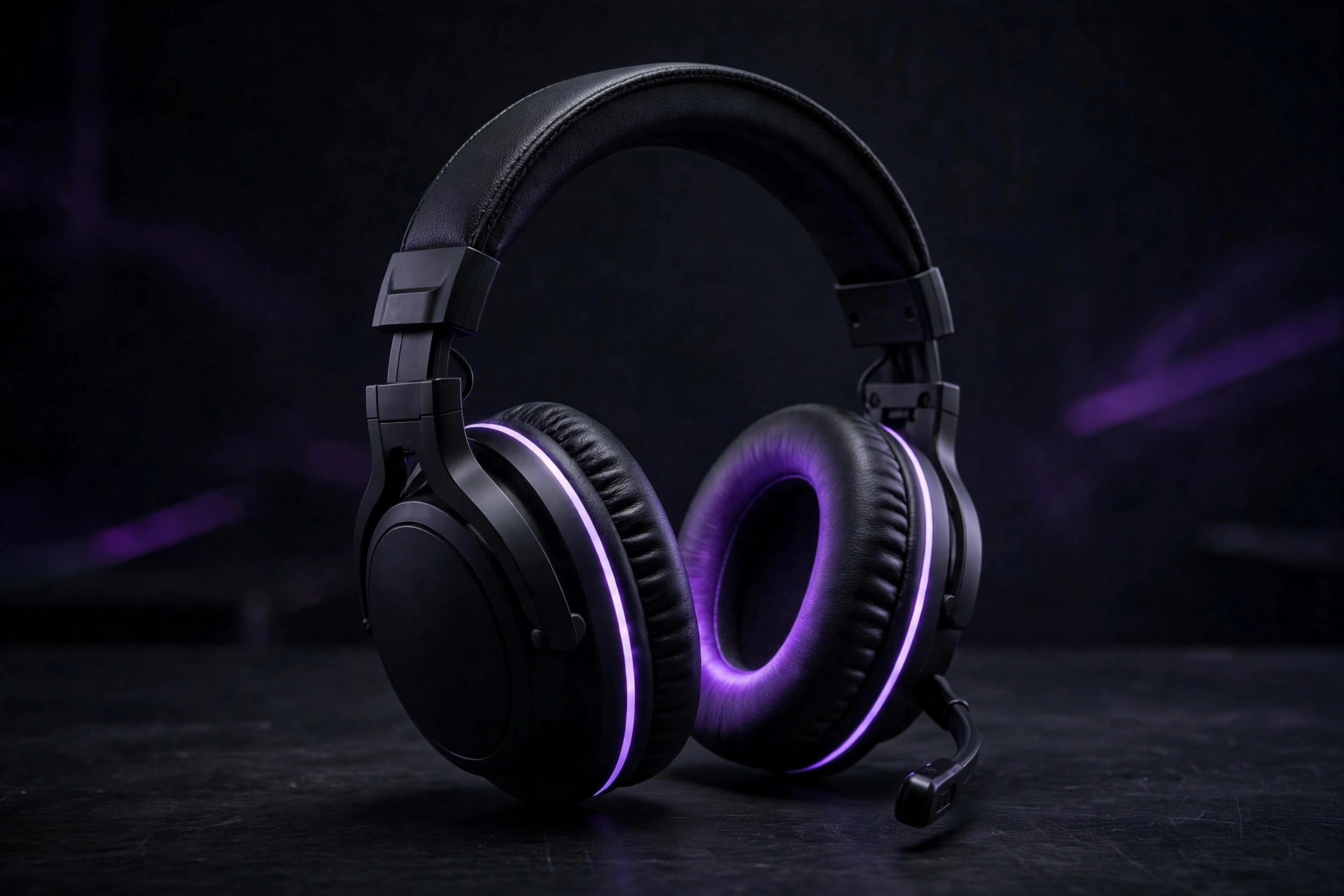
A headset is the only peripheral you wear, which makes it the most comfort-critical purchase in your setup — and the one where cheap models most often go wrong. Sound quality matters, but an uncomfortable headset with great sound still ends up in a drawer.
Comfort: the real spec sheet
You'll wear this for hours, so comfort isn't a luxury — it's the entire point. What to look for:
- Weight. Lighter is almost always better for long sessions. Heavy headsets cause neck fatigue that no padding fully fixes.
- Clamping force. Too tight and your temples ache; too loose and it slides around. This varies hugely between models and head sizes — it's the number one reason to try before you buy or to buy from a seller with easy returns.
- Ear cushion material and depth. Your ears shouldn't press against the driver housing inside the cup. Deep, soft cushions beat thin ones, and breathable materials matter if you run warm.
- Headband padding. A thinly padded headband creates a pressure point on top of your head within an hour. Even, generous padding distributes the weight.
If you wear glasses, pay special attention: thick frames plus tight clamping is a recipe for pain. Look for reviewers who specifically mention glasses comfort.
Sound: good enough is genuinely good
Here's the liberating truth: for gaming, you don't need audiophile sound. What you need is clear directional audio — the ability to tell where footsteps and effects are coming from — and dialogue that doesn't get lost in explosions. Most budget headsets deliver this adequately. Virtual surround sound features are heavily marketed but inconsistent; a decent stereo presentation with clear imaging usually serves you better. Judge sound by reviewers describing real gameplay, not by driver-size numbers or surround-sound badges.
The microphone: your teammates hear this
A headset's mic is judged by everyone except you, so this is where reviews with mic test recordings are gold. What matters: your voice comes through clearly, background noise (keyboard clicks, room fans) is reasonably suppressed, and there's no harsh sibilance or muffling. Detachable or flip-to-mute mics are practical bonuses — flip-to-mute in particular is one of those small features you end up using constantly. If you mostly play solo, mic quality matters less; if you're on voice chat nightly, weight it heavily.
Wired vs. wireless: the honest trade-offs
Wired wins on
- Lower price for the same comfort and sound
- Zero latency and zero connection dropouts
- No battery to charge or degrade
- Lighter (no battery weight)
Wireless wins on
- Freedom to stand up, grab a drink, pace
- No cable snagging on the desk or chair
- Cleaner setup, easier to share the room
In the budget segment, the trade-off is sharper: cheap wireless can mean mediocre battery life, connection hiccups, or noticeably worse mic quality than a wired model at the same price. If your budget is tight, wired gets you more comfort and sound per dollar. Go wireless when you can afford a well-reviewed implementation — and check the stated battery life against how long your sessions actually run.
Build: where budget headsets die
The most common failure points are the headband adjustment sliders, the earcup hinges, and the cable entry point. Plastic construction is normal at this price — what matters is whether it feels like sturdy plastic or brittle plastic. Yokes and hinges that reviewers describe as solid are a good sign. A detachable cable (on wired models) dramatically extends lifespan, since cable failure is the most common headset death.
Headset shopping checklist
- Is it light enough, with even padding, for your longest sessions? (Glasses wearers: check specifically.)
- Do mic test recordings sound clear, without excessive background noise?
- Can you flip-to-mute or detach the mic easily?
- Wired or wireless — which trade-off fits your budget and your room?
- Do reviewers mention solid hinges and sliders, not creaky plastic?
- Is the cable detachable (wired) or is battery life honest (wireless)?
Our take: Buy the headset like you'd buy headphones for a long flight: comfort first, mic second, sound third. At budget prices, wired buys you noticeably more quality per dollar — but only if you'll actually tolerate the cable. An uncomfortable "great-sounding" headset is just an expensive paperweight.