Buying guides
Great gear doesn't need a flagship price.
Gaming peripherals are drowning in marketing jargon. DPI, polling rates, actuation points. These guides translate the spec sheets into plain language: what actually improves your play, what's pure hype, and where your money matters most.
Start with the mouse
The biggest number on the box is a ceiling, not a setting. The four sensor terms defined once, then one budget sheet, the Logitech G305, read line by line, including the polling rate that changes with the power mode.
90 percent is the number the whole fix hangs on. The OpenWrt SQM procedure for lag under load, the router CPU ceilings that decide whether it works, and the hardware revision trap to check before buying.
Divide the sticker by the years the maker actually warranties, and the cheap chair stops looking cheap. Warranty terms, published lifespan ranges, and a worked five year replacement cycle.
A worked example priced on Ontario, BC and Quebec rates in force 4 Nov 2026: why the province moves the bill more than the hardware, and why idle hours can cost more than gaming.
Capture and passthrough are two different signals: verified specs for four cards, the USB bandwidth arithmetic, the HDCP step, and a five step pre-buy check.
Pole vs gas-spring monitor arms costed per screen and per year: the weight, VESA and desk-thickness checks that decide fit, with prices checked 31 Oct 2026.
A dock is a two-controller product: cost per controller over two years for the official Xbox pack, a PowerA dock, rechargeable AAs and wired play, checked 31 Oct 2026.
Delivered airflow, not fan count: a watts-to-CFM estimate, the filter loss, 120mm vs 140mm priced in Canada, and a one-fan-at-a-time upgrade procedure.
Three different measurements, one chain: frame-time arithmetic at 60, 144 and 240Hz, why the 1ms on the box is not comparable, and the cheapest lag fix for your setup.
A 15-minute check run inside the return window: the timed procedure, a glow-vs-bleed diagnostic, and a keep-or-return matrix keyed to where a defect sits.
One cost-per-year formula for a whole desk, a worked example with labelled assumptions, and the wear parts that reset the clock cheaply.
Buying guides
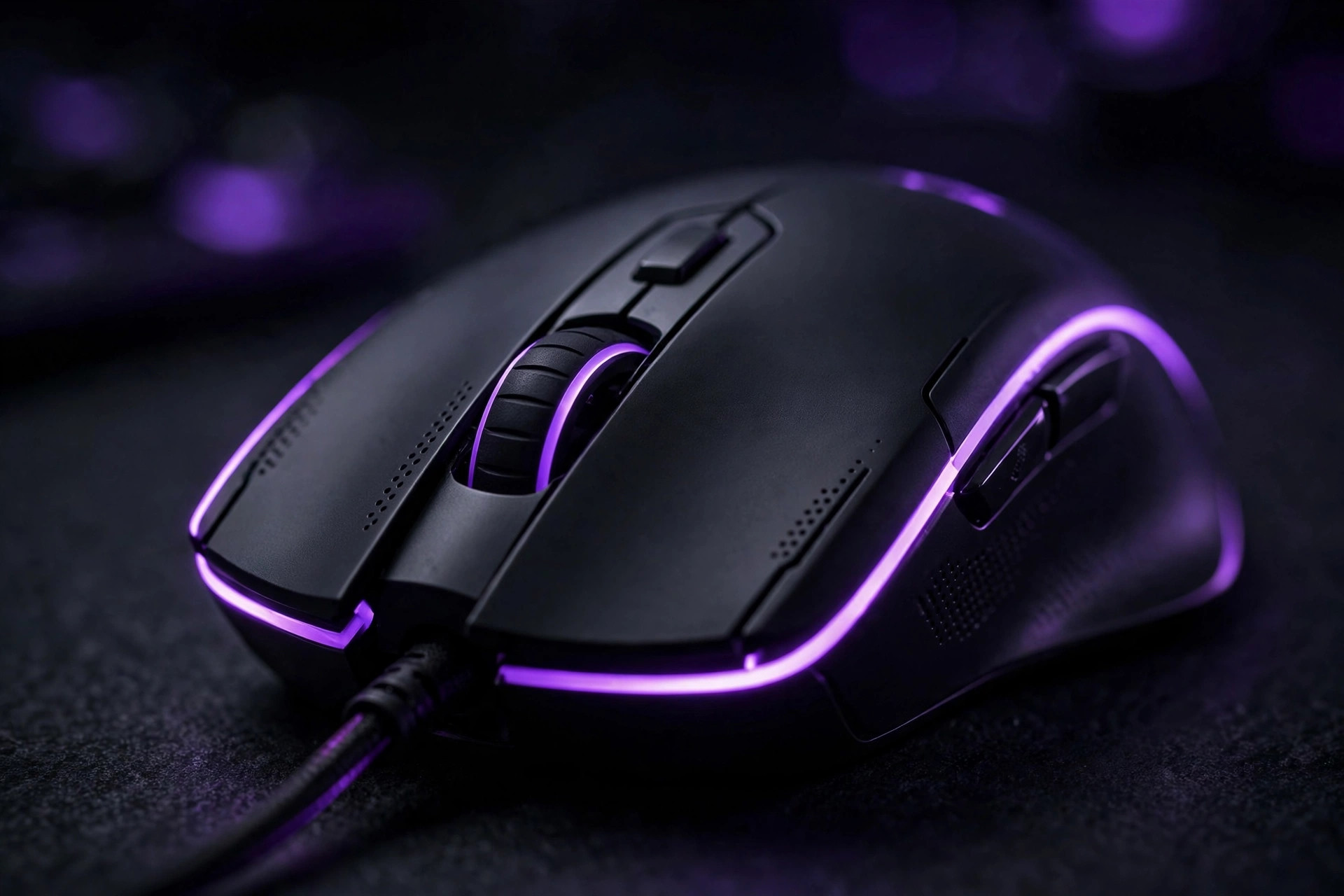
Sensor basics in plain terms, why shape and comfort beat spec sheets, and which marketing claims to ignore.

Switch feel types explained simply, build basics that matter, and the features you can safely skip.

Comfort for long sessions, mic clarity, and the honest trade-offs between wired and wireless.

Refresh rate and resolution in plain terms, panel basics, and what actually changes how games feel.
The priority order for upgrades, what to buy first, what can wait, and how to avoid the classic beginner traps.

A 5-minute pre-purchase drill: price history, model numbers, real final prices, then buy, verify, or walk away.
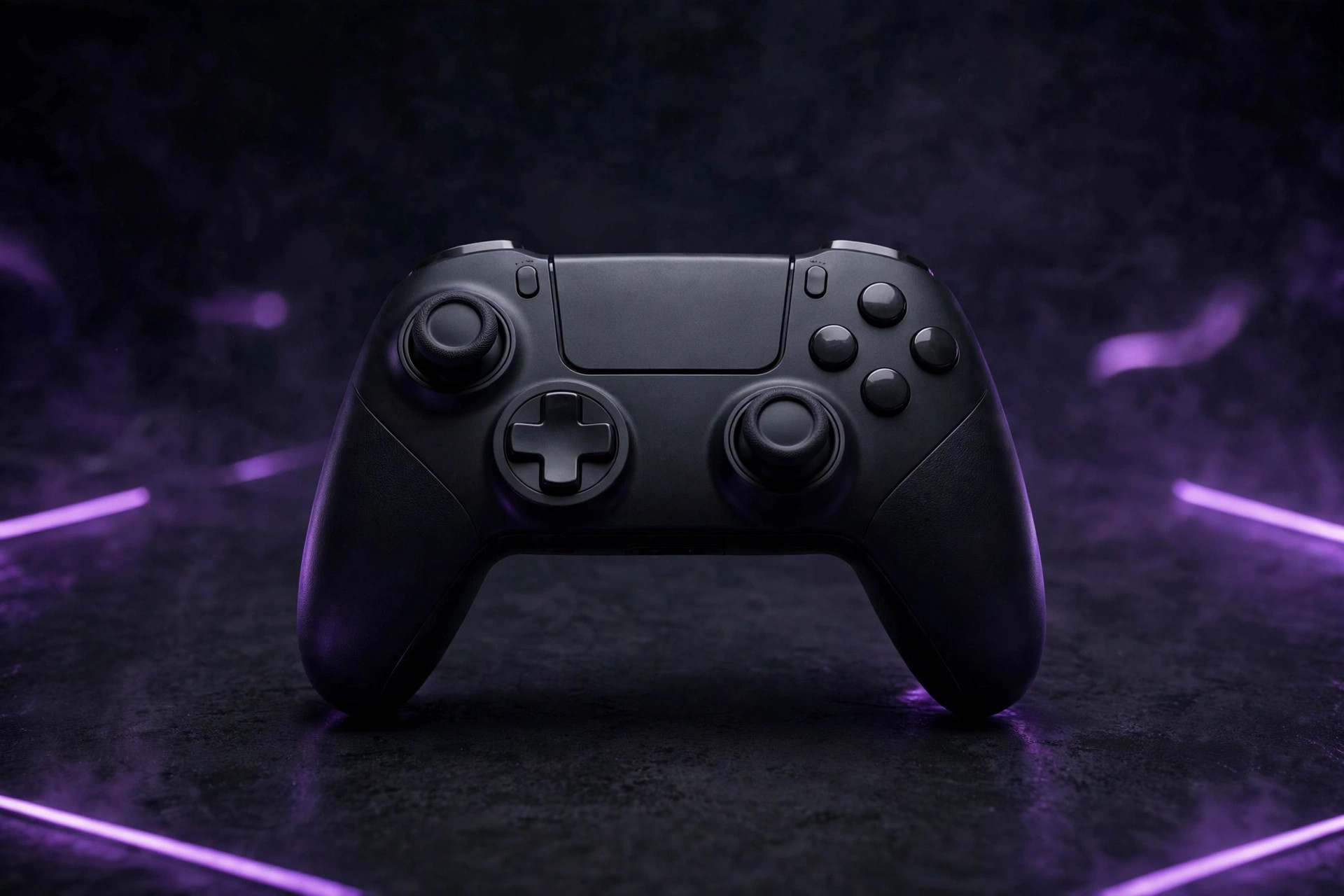
Hall effect vs potentiometer sticks, wired vs wireless, and the spec to check on any budget controller listing.
Which gear is safe to buy used, the 20% rule that decides every listing, and the 5-minute check before you commit.

GPU first, then verify the power limit and exact configuration. RAM slots, storage and Canadian price tiers in plain terms.
A mostly free, ordered setup procedure: chair first, monitor placement by the numbers, then cables with slack and labels.
Foam density in real kg/m figures, cost per warranted year, and a measure-yourself fit check against published seat dimensions.
Headline speeds belong to the top capacity only: per-capacity speed and endurance tables, component variance, and the PS5 checklist.
Buying guides
Six pass/fail checks in 15 minutes, identity, storage, CPU heat, GPU artifacts, ports and the PSU label, plus walk-away lines.
Setup
The HDMI and DisplayPort version ceilings, adapter traps including USB-C Alt Mode, and a ten-minute audit before you buy anything.
Size follows your sensitivity and swipe distance, not the product photo: the cm/360 rule, speed vs control surfaces, cloth vs hard pads, and when a worn pad is the real problem.
Bandwidth is rarely the problem, latency, jitter and packet loss are. The measured differences between Ethernet and Wi-Fi, the no-drill ways to get wired, and a test that tells you if your connection is really the issue.
The upgrade order that viewer behaviour actually rewards: why audio drives people away faster than soft video, dynamic vs condenser mics for untreated rooms, and the free fixes to make before any purchase.
At arm's length, separation beats simulation: near-field geometry, the measure-and-place procedure, and the price bands that decide it.
The same USB drive does three different jobs on PS5, Xbox and PC. The play-vs-store matrix and Sony's M.2 spec checklist.
Two 1500VA units can carry 900W or 1000W. The 125 percent sizing rule, outlet assignment, and a controlled unplug test that proves a clean shutdown.
Verified NiMH voltage, capacity and cycle specs, a break-even formula to run with real shelf prices, and the two-pair rotation that never leaves a controller dead.
Three published upgrade orders disagree. Compare them side by side, measure your bottleneck for free, and sequence stages so no purchase gets stranded.
The listing price is not what funds an upgrade. Grade gear honestly, reconcile three conflicting eBay fee figures, and compute the real gap before listing.
Rank gaming gifts by how often hands touch them, run a two-minute duplication check, and use the two-store rule that found the same mouse $20 apart.
Socket family first, pin count second, bent pins never forced: the ten minute verification that makes hot swap the saving it claims to be, with prices checked 14 Nov 2026.
Dust, calibration and worn contacts present identically and cost differently to fix. The free sequence in order, and the 2,000,000 cycle figure that decides replacement.